
Trisha Studios
Knowledge Centre
What QC Is Actually Checking
Quality Control in a post-production context is the systematic comparison of a deliverable against its specification. It is not a creative review — it does not evaluate whether the film is good, whether the colour is beautiful, or whether the sound design is effective. It verifies that the technical parameters of the deliverable fall within the ranges required by the distribution platform or exhibition venue.
A comprehensive QC pass examines: image resolution and pixel aspect ratio; frame rate and cadence; colour space and luminance range; codec, bit depth, and compression settings; audio channel configuration and loudness levels; subtitle format, timing, and encoding; container format and packaging structure; metadata accuracy and completeness; and file integrity (checksums matching, no corruption).
Each platform has its own specification. Netflix's requirements are different from Amazon's, which differ from a DCP specification, which differ from broadcast delivery. A file that passes Netflix QC may fail Amazon QC. QC must be performed against the specific target specification, not a generic 'HD delivery' standard.
The Cost of a Failed Submission
When a platform rejects a submission, the cost is more than the time required for a re-delivery. For a release with a locked premiere date, a submission failure may mean the content does not appear on the platform on launch day — a public, reputationally visible failure.
The re-delivery cycle typically takes 3–7 business days: identifying the rejection reason, correcting the issue, rebuilding the deliverable, performing QC on the corrected version, and resubmitting. If the issue requires changes to the grade or the mix, the timeline extends further.
Platform rejection rates vary, but common triggers in our experience include: audio loudness out of specification (the single most common issue), incorrect colour space metadata, malformed IMF package structure, subtitle encoding errors, and missing or incorrect content rating metadata. All of these are identifiable and correctable during facility QC.
Technical QC Tools
Professional QC at a post facility uses dedicated analysis tools that go beyond manual playback review. Applications like Telestream Vantage, Interra Baton, and Venera Pulsar perform automated analysis of video and audio parameters against configurable specification templates. They detect issues that are invisible on a monitor — black levels a fraction out of specification, an audio channel carrying unexpected signal, a subtitle timecode offset by a single frame.
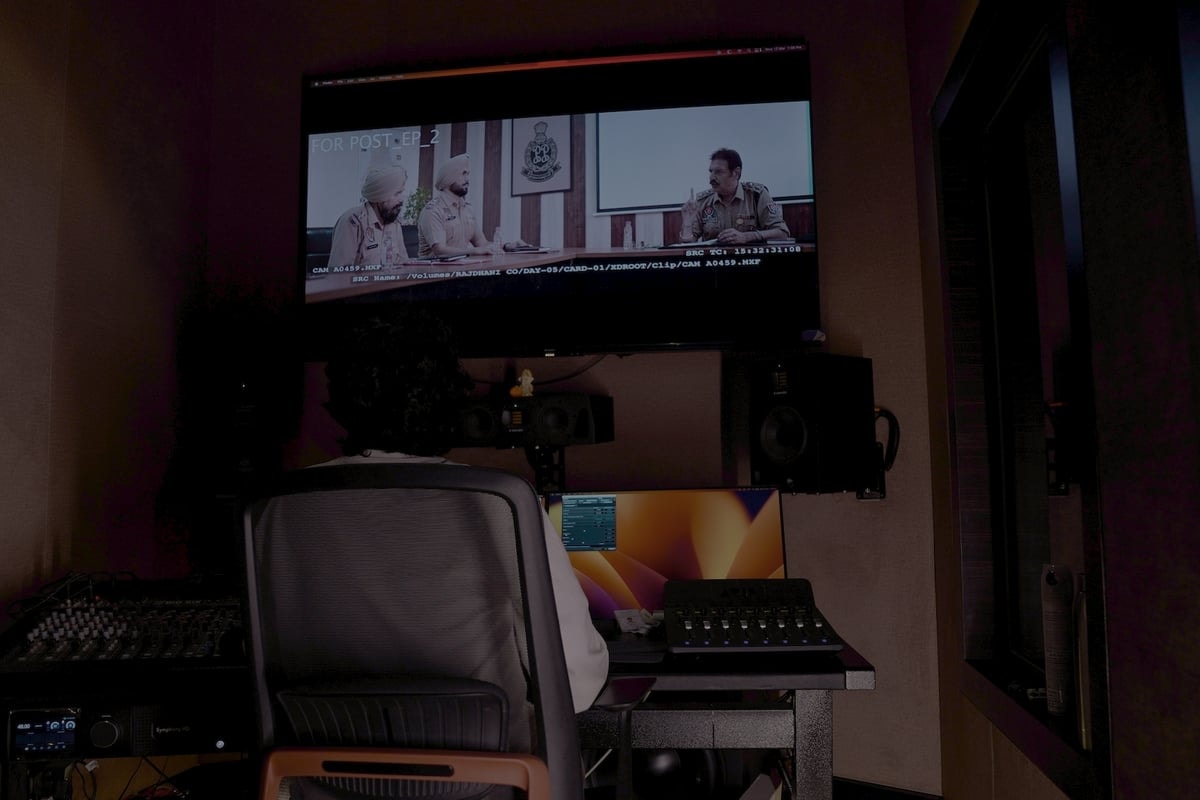
Automated QC tools do not replace human review — they augment it. Automated analysis handles the parameter checking quickly and accurately; a trained QC operator then watches the programme at reduced speed, looking for visual artefacts, edit continuity issues, and audio anomalies that fall outside the parameters the tool can measure.
At Trisha Studios, every deliverable goes through automated QC followed by a human review pass. No deliverable leaves the facility without both steps completed and signed off.
Common Questions
Is QC included in the post-production quote?
It depends on how the quote is structured. QC for each deliverable should always be included — a delivery without QC is a gamble. Ask your facility explicitly whether QC is included, which QC tools they use, and what the procedure is if QC reveals an issue that requires rework.
What is the difference between technical QC and editorial QC?
Technical QC verifies that the deliverable meets its specification. Editorial QC — sometimes called 'content review' — verifies the content itself: correct version, no flipped shots, correct titles, credits in the right order. Both are necessary. Technical QC can be automated; editorial QC requires a human watching the programme in full.
QC and Delivery You Can Rely On
Every deliverable from Trisha Studios passes automated and human QC before submission. Zero rejections is the target — and our track record.
See Our QC Services