
Trisha Studios
Knowledge Centre
The Director's Role in Colour
The digital intermediate is not a technical process that happens to a film after the director has finished. It is a creative session — the final major opportunity to shape the film's visual world. Directors who treat it as an obligatory step at the end of production leave significant creative value on the table.
The most effective DI sessions happen when the director arrives with a clear visual reference: specific images, films, or photographs that communicate the intended emotional quality of the image. Not necessarily how the film should look technically, but how it should feel. Warm or cool. Saturated or desaturated. High contrast or soft. These references give the colourist something to aim for that goes beyond technical description.
The colourist's role is to translate that intention into colour decisions — technically sound, achievable within the constraints of the captured material, consistent across the full timeline of the film. The best colourist-director collaborations are creative partnerships: the director articulates the emotional goal; the colourist finds the technical path to reach it.
How Sessions Are Structured
The DI typically begins with a look development session — before the full grade begins, the colourist and director establish the visual identity of the film. This might start with a key scene: the location or moment that most clearly defines the emotional centre of the film. The grade built for that scene becomes the blueprint for the rest of the film.
After look development, the colourist works through the film scene by scene. The director does not need to be present for every hour — some sequences involve technically demanding work (stabilising exposure across a difficult location, integrating VFX material, correcting an unavoidable camera problem) where the colourist's focus is entirely technical. What matters is regular review sessions where the director sees the accumulated work and provides feedback.
The final stage is a full review: the entire film, scene by scene, with all deliverable versions reviewed. This session catches continuity issues that were not visible when scenes were graded in isolation, and confirms that the overall arc of the film's visual journey is coherent.
What Creative Control Looks Like
Directors sometimes worry that colour grading is a technical correction process with limited creative latitude. The opposite is true. Within the range of what the captured image contains, the colourist has substantial ability to change the character of an image: warmth, contrast, saturation, the depth of shadow, the quality of highlights, the specific hue of a skin tone or a skyline.
What the colourist cannot do is manufacture information that was not captured — if a shot is underexposed by four stops, the colourist can recover some shadow detail but the image will degrade. If a scene was shot in harsh midday sunlight, the colourist cannot recreate the quality of golden hour. The grade amplifies and refines what was captured; it cannot fundamentally change what was not.
This is why the relationship between the DoP, the colourist, and the production begins before shooting — so that the grade is built on a solid photographic foundation, not attempting to rescue material shot without the DI in mind.
Common Questions
How many sessions should the director attend?
At minimum: the look development session and the final review. Most directors attend 3–4 sessions for a feature film: look development, a mid-grade review, a deliverables review, and a final signoff. Heavy involvement throughout is also common and often produces better results.
Should the Director of Photography attend the DI?
Yes, ideally. The DoP has the clearest understanding of what was captured, what the intended look was, and where technical issues exist in the material. The best DI sessions have the director and DoP present together, with the DoP managing the technical direction and the director evaluating the result against the film's emotional needs.
Grade Your Film at Trisha Studios
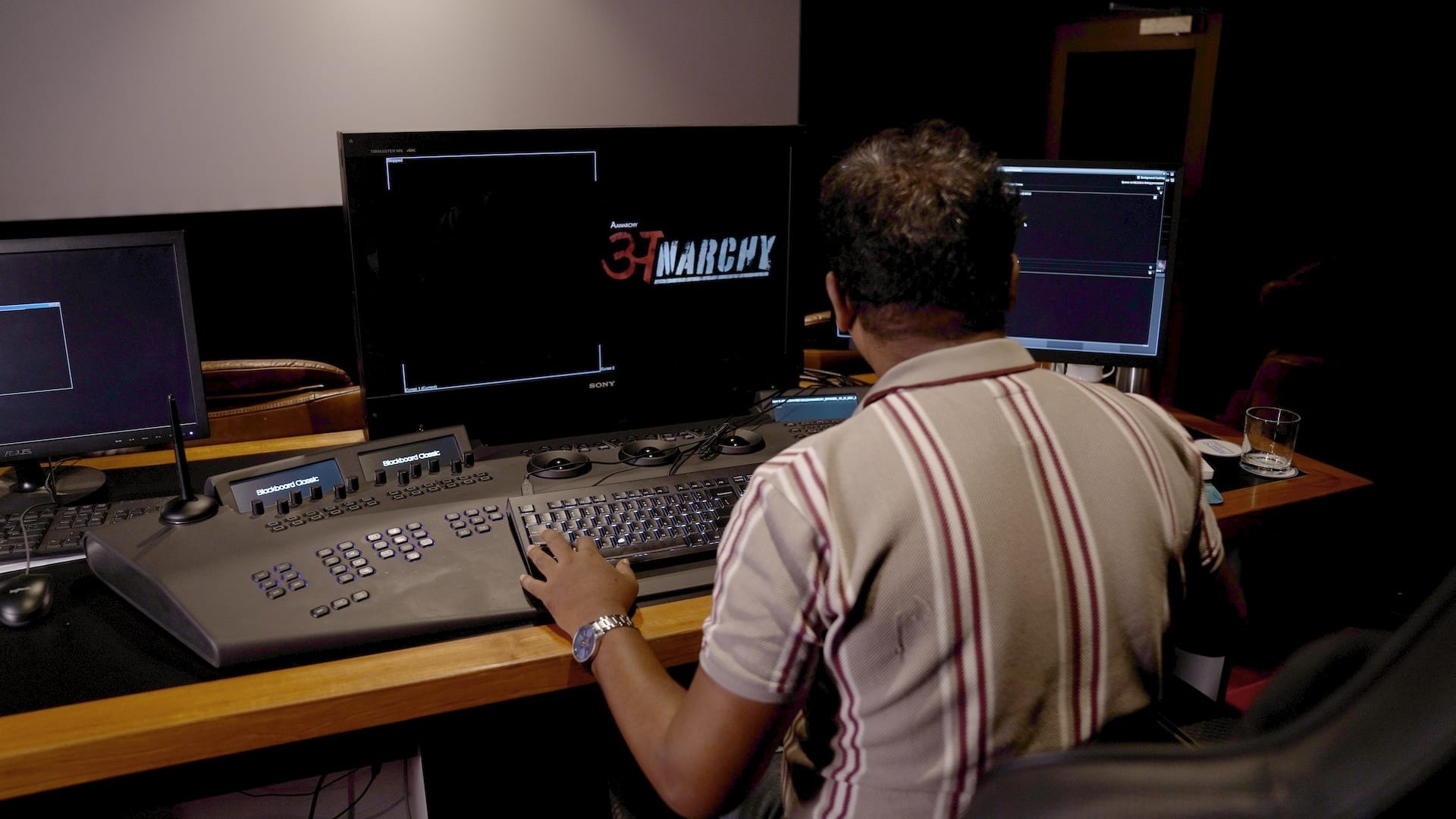
FilmLight Baselight with Blackboard Classic. A collaborative grading environment built for directors and DoPs who care about how their film looks.
See Our Colour Grading