
Trisha Studios
Knowledge Centre
What Colour Grading Actually Is
Colour grading is the process of establishing and refining the final visual appearance of a film. It happens after the picture is locked — after editing, VFX, and any online conform work is complete — and it is among the last creative decisions made before a project reaches its audience.
The term is often used interchangeably with colour correction, but there is a meaningful distinction. Colour correction is technical: it removes the inconsistencies introduced by multiple cameras, different lighting conditions, lens differences, and exposure variations. Colour grading is creative: it builds a coherent visual identity — warmth, contrast, saturation, the specific quality of light that makes one film look distinct from another.
In practice, the two happen simultaneously on the same system. The colourist corrects and grades in a single workflow, moving between technical verification and creative expression continuously throughout the session.
The Session Structure
A colour grading session typically begins with a technical pass. The colourist works through the timeline establishing baseline exposure — ensuring that each shot has correct luminance levels, that skin tones fall in an acceptable range, and that shots intended to intercut without a noticeable colour shift are balanced to each other. This is particularly important for multi-camera productions, where identical scenes may be covered by cameras with different colour science profiles.
On FilmLight Baselight, this technical pass is aided by the Scopes panel: vectorscope, parade waveform, histogram, and false-colour display provide precise quantitative feedback about where luminance and chrominance values sit. A shot that looks correct to the eye might reveal a colour cast or luminance drift in the waveform that would become obvious when cutting against other shots.
After the technical foundation is established, the creative grade begins. This is where the film's visual language is built. The colourist works in close collaboration with the director and director of photography, using primary corrections (which affect the entire image — lift, gamma, gain, contrast, saturation) and secondary corrections (which isolate specific tonal ranges, colours, or regions of the image) to achieve the intended look.
Primary and Secondary Correction
Primary corrections in Baselight operate on the colour wheels and curves that affect the global image. Lifting the blacks slightly and reducing global saturation gives a bleached look. Pushing green into the shadows and warmth into the highlights produces a classic cinematic cross-process feel. These are broad strokes — changes that establish the overall character of the image.
Secondary corrections are where precision work happens. If a production was shot in different conditions, the actor's skin tone might shift between interior and exterior scenes. A secondary correction isolates the skin tone range using a hue/saturation qualifier, applies a targeted correction only to that selection, and feathers it seamlessly into the surrounding image. The audience never notices it — they simply see consistent, believable skin tones throughout.
Node-based workflows (Baselight works with a layer stack rather than a linear node graph) allow complex stacks of corrections to be built up and managed independently. A specific sequence might have a base correction, a creative look, a power window isolating a practical light source, and a separate correction for sky values — all contributing to the final image without interfering with each other.
HDR and Multiple Deliverables
A modern colour grade rarely produces a single deliverable. Theatrical release, streaming HDR, streaming SDR, broadcast, and home video release all require different versions of the grade, each calibrated to different display standards.
HDR (High Dynamic Range) delivery for Netflix, Apple TV+, and theatrical projection requires a grade performed against a reference monitor capable of 1000 cd/m² peak luminance, operating in a colour space that contains more visual information than standard dynamic range can represent. The colourist works in a high-luminance colour space (typically ACES or the camera's native colour science within an ACES container) and performs a trim pass specifically for each output.
HDR delivery may use dynamic or static metadata depending on the agreed destination specification. Confirm the required format before the grading and mastering plan is set.
The final step is a QC review of all deliverables: playback at the correct specification, level checking against loudness standards (for when audio is reviewed together with picture), and a final signoff from the director and/or DoP before mastering.
What Producers Should Prepare
The colour grade session requires the right inputs to work efficiently. Camera originals should be delivered in their native colour science with proper metadata: ARRIRAW with embedded CDL, Sony VENICE in S-Log3, RED files with correct colour science tags. Any on-set look files (LUTs, CDLs from the DIT) should travel with the material.
Shot notes from the DIT or DoP — marking preferred takes, flagging exposure issues, noting lighting continuity problems — save significant time in session. They allow the colourist to immediately address known issues rather than discovering them during playback.
The director and DoP should plan to attend at least two sessions: an early creative grade where the visual language is established, and a final review session before output. For complex productions, dailies grading during principal photography — using the same colour science as the final DI — means that the production team reviews material in a representation close to the finished film throughout production.
Common Questions
How long does colour grading take?
A feature film typically requires 5–15 days of grading depending on complexity, number of deliverables, and how much VFX or problematic material needs attention. An OTT series episode averages 1–2 days per episode. These are broad guidelines — the actual schedule depends on the project.
Does the director need to attend?
The director and DoP should attend key creative sessions — particularly the first pass where the visual look is established — but do not need to be present for the full grade. Many productions work with an approved reference from the creative team and have the colourist grade to that reference, with a final signoff session at the end.
What format should camera originals be delivered in?
Camera originals should be delivered in their native format — ARRIRAW, ProRes RAW, REDcode RAW, Sony RAW, BRAW — with proper metadata and any on-set LUTs or CDLs. Transcoded formats introduce unnecessary generation loss. If you are unsure, contact us before delivery.
Grade Your Production at Trisha Studios
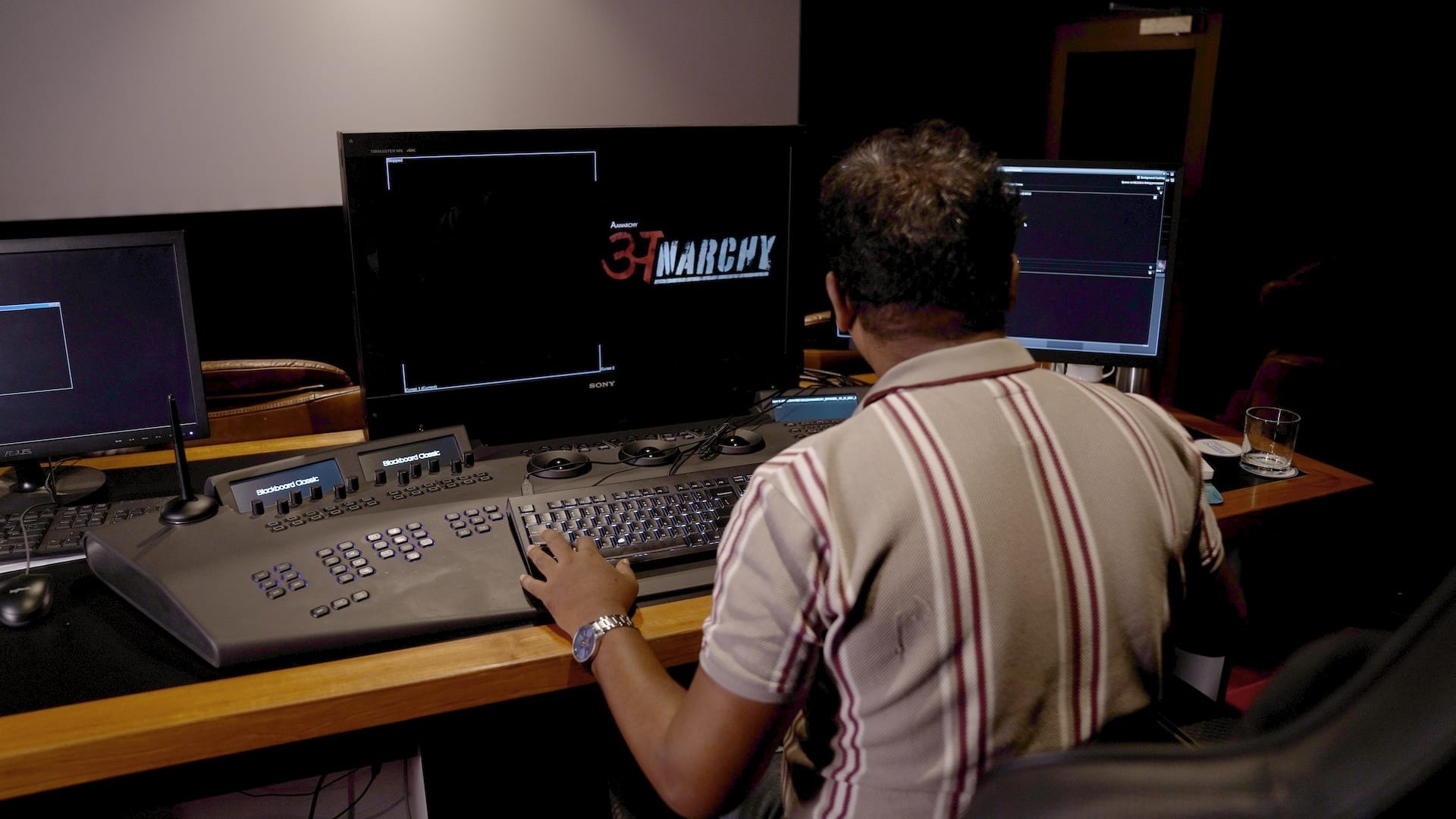
FilmLight Baselight with Blackboard Classic for HDR and SDR mastering. Speak to our colour team about your project.
Discuss Your Colour Grade